
Refrigerated Storage for Beverages: Keg and Bottle Handling Basics
Most beverage quality problems start long before a pint hits the glass. They creep in quietly when a pallet sits on a dock too long, when a walk-in door fails to seal, or when a keg lines up behind a fan coil and freezes at the back while the front stays warm. Managing refrigerated storage for kegs and bottles looks simple from the outside. Keep it cold. But if you handle beverages for a living, you learn quickly that temperature targets, air movement, stacking patterns, gas management, and timing all matter. Good habits protect flavor and reduce waste. Bad habits create skunks, gushers, flat pours, and returns that cost more than the hour saved cutting corners.
This is a field manual in narrative form, based on what tends to work in production breweries, regional distributors, restaurant groups, and third‑party logistics operations. The specifics scale whether you are working out of a small back‑bar cooler or a 100,000 square foot cold storage facility.
Temperature is not one number
Beer and most ready‑to‑drink beverages prefer stable, cold conditions. The target depends on packaging and intent. For packaged beer, 34 to 40 F protects hop aroma, slows staling, and reduces the risk of refermentation in hazy or unfiltered styles. Kegs do well at the same temperatures, sometimes a tick warmer if serving lines demand it, but storage is not service. You can always warm a keg slightly in the draft system, while you cannot easily reverse heat damage picked up in transit.
The real trick is stability. A product that cycles between 34 and 50 F several times a week will age faster than the same product held steady at 38 F. Temperature swings pump oxygen through crown liners, accelerate staling reactions, and cause CO2 to fall out or go back in unpredictably. The result is uneven carbonation and flavors that feel prematurely tired.
If you manage a warehouse, think in zones. The spot by the door that sees frequent openings might sit five degrees warmer than the back corner. The space in front of evaporators can drop below freezing in a narrow cone. Measure those differences in a way that respects reality. A single thermostat near the entrance tells you very little. Use data loggers or wireless probes in several positions at pallet level and shoulder height, and gather a week of data before you set your plan. I have seen facilities think they were at 38 F because the thermostat said so, while the top layer of a pallet near the fan was icing up at 30 F and the bottom layer by the door hovered at 45 F during the lunch rush.
When you are deciding between a dedicated cooler and a shared cold storage facility, ask about rack level temperature mapping rather than the average room set point. If you are searching for “refrigerated storage near me,” ask for a one‑week temperature report and the location of sensors. In cities where ambient heat is significant, like during summer in Texas, location inside the cooler matters more than the published target.
Cold chain means every link
The best refrigerated storage plan collapses if incoming trucks arrive warm or if a pallet sits on a dock for two hours during receiving. Time at temperature is cumulative. A pallet that spent 12 hours at 55 F on the road will not recover flavor just because it now sits at 36 F. Build procedures that keep product off warm floors and in cold air quickly.
There are two simple habits that pay off. First, pre‑stage paperwork and verify counts in the cold. If your crew has to stand on the dock to match bills of lading to purchase orders, product will creep toward ambient. Second, set your receiving lane inside the cooler whenever possible. If operational flow forces you to receive in ambient space, set a target dwell time. For beer, I try to keep dock dwell under 20 minutes per pallet, and under 10 minutes if ambient is above 85 F.
If you contract with a third party, such as a cold storage facility in San Antonio TX, ask specifically about dock configuration and process time. Many facilities advertise “refrigerated storage San Antonio TX” or “cold storage San Antonio TX,” but the reality of their dock layout varies. A drive‑in dock with sealed doors keeps your product in a controlled envelope during transfer. A warehouse that opens to the outside with portable ramps exposes loads to hot crosswinds and solar heat that bleed into the cooler.
Kegs are not just big cans
A keg holds beer under pressure and near saturation with CO2. That pressure is both helpful and fragile. Storage best practices for kegs start with orientation, location, and tap timing.
Kegs like to be stored upright, on flat surfaces, with no substantial tilt. The spear assembly is designed to sit vertical. Continuous tilt increases the chance of leaking through gaskets and can trap gas in awkward spots that later cause burps when tapping. Wood pallets with warping planks create hidden tilt that adds up over time. If you store on wooden pallets, verify the top deck boards with a level. Plastic pallets tend to stay flatter, and they handle condensation better.
Stacking height depends on manufacturer guidance and floor rating, but two‑high is common for half barrels on many racking systems. Avoid three‑high stacks on floor pallets unless your facility designed for it and the keg geometry allows it. A collapsed stack is not just a loss of product, it is a safety incident waiting to happen.
Cold airflow affects kegs differently than cases. If you park a row of kegs directly under a fan coil, the first keg can act as a cold sink and freeze at the outer inch while the center remains liquid. Frozen beer expands, and that can deform spear seals or blow out couplers when you eventually tap. Leave a minimum buffer, about 12 to 18 inches, between evaporator cold storage facility air discharge and the first row. Use baffles or simple plastic curtain strips to redirect the airflow so it washes over and around, not directly into, the stainless shell.
Tap timing matters. If you receive warm kegs, do not rush to tap them. Warm beer holds less dissolved CO2 at tap pressure, so you will pour foamy pints until the keg equilibrates. A typical half barrel dropped from 60 to 38 F in a 38 F walk‑in needs roughly 24 hours to stabilize through the core. The old “12 hours” rule is optimistic for dense liquids. Measure actual core temps using a surface probe under insulation or a digital thermometer on a long wire inserted into a water‑filled dummy spear. For high‑turn bars, a simple check is to label pallets with arrival time and earliest tap time. The volume that goes flat during rushed service is usually worth more than the patience required to wait.
Bottles and cans remember heat
Bottles and cans are more vulnerable to oxygen ingress and light than kegs. Even with oxygen scavenging crowns, oxygen finds a way over time, especially in warm conditions. Cans protect against light but not against temperature cycles that pump oxygen across seams. Both package types benefit enormously from constant, low temperatures and gentle handling.
Stacking patterns should distribute weight evenly and avoid crushing seams or crowns. Manufacturers design cartons to support a certain load. Go beyond that, and you risk subtle seam deformation or microleaks that reveal themselves as slow drips days later. I have seen a pallet with two inches of tilt crush the low side of a top layer, leading to gushing cans that looked perfect until opened.
Light exposure is an old enemy for beer in clear or green glass. If your cold storage has glass doors, keep light‑sensitive brands behind opaque barriers or use UV film on the doors. Photochemical reactions can occur in minutes, not hours, and cold temperatures do not stop them. Brown glass helps, but it is not invincible under direct fluorescent or LED light rich in blue spectra.
Rotation policies matter. Date coding varies by producer, but you can normalize with a simple rule: first in, first out, unless a lot has a shorter remaining shelf life. For distributors, a hybrid policy works better: first expired, first out, with guardrails that prevent very fresh arrivals from leapfrogging product that is older but still well within code. Retail back rooms that mix ambient and cold space frequently cause accidental inversions, where new warm product lands in front of older cold product. Train staff to stage warm arrivals in a dedicated holding area until the cold shelf is rotated.
Moisture management protects quality and safety
Condensation seems minor until you are dealing with box swell, mold, smudged inkjet dates, and slick floors. Humidity in refrigerated storage tends to run high, especially in facilities with frequent door cycles or open dock interface. If the dew point in the air is above the surface temperature of packages, water will form. It degrades cardboard and promotes mildew odors that may not penetrate a can, but will ruin packaging and perception.
Airflow matters here as well. The goal is gentle circulation that keeps all surfaces above their dew point. That means balancing evaporator set points, defrost cycles, and fan speeds. Dehumidification equipment can help, but basic discipline does more for less money: keep doors closed, use strip curtains, repair gaskets, and avoid propping doors during picks. If you operate in a humid market and you are evaluating a cold storage facility near me, ask to walk the cooler on a busy day. Look for puddles near thresholds, sweating ceilings, and swollen cartons. Those are your early warning signs.
Floor coatings contribute more than people think. Bare concrete pulls moisture and becomes slick when filmed with condensate. A textured epoxy with grit reduces slip risk and tolerates pallet jack traffic. For keg areas, add catch pans or small ramps so that rinse water does not pool under stacks.
CO2, safety, and draft prep
A refrigerated room with kegs becomes a CO2 reservoir once a few couplers are attached. CO2 is heavier than air and pools at low points. In a sealed walk‑in, a night leak can make the floor space hazardous by morning. Install a CO2 monitor with audible and visual alarms at breathing height, and check it regularly. Calibrate on schedule. I have witnessed bars discover their monitors were dead only after a staff member felt dizzy while fetching a keg.
Draft lines should be planned with service in mind. A tight bend radius on beer lines near the cooler pass‑through may save space, but it adds turbulence that blows foam during service changes. Insulate trunk lines thoroughly. Heat pickup of as little as 4 to 6 F over the run can undo everything you did right in storage. On long draws, recirculating glycol lines keep temperature steady. Cold rooms are not magic if you allow the beer to warm on its way to the faucet.
Choosing gas blends matters. Straight CO2 is standard for ales and lagers at moderate pressure. Nitro blends belong for stouts or specialty pours. Storage does not directly change gas choice, but it affects pressure needs. A colder beer needs less pressure to maintain a given volume of CO2. If your storage is inconsistent, your service pressures will feel like a moving target, and staff will chase foam with adjustments that cause other problems. Fix the storage stability first.
Loading patterns, racking, and airflow
The best cooler layouts follow the physics of how cold air moves. Cold air falls, then flows along floors and around obstacles. If you create solid walls of product from floor to ceiling, air stagnates behind them. The back two rows then warm slowly, and you see mixed temperatures in the same SKU. This is how one case on a pallet goes out skunky while its neighbor tastes fine.
Leave small vertical and horizontal gaps, sometimes called flues, so air can move behind and between stacks. A common pattern is to pull pallets six inches off the wall and maintain three to four inches between adjacent rows. In racking, keep at least six inches from the top beam to the ceiling to avoid dead zones that collect heat during defrost cycles. If you are moving to a third‑party provider and reading listings for a cold storage facility San Antonio TX, ask if they maintain flue spacing policies and if they train crews not to push pallets tight to structural walls.
Fans deserve regular attention. Evaporator coils clog with cardboard dust, hop particles, and general debris. A fouled coil loses efficiency and creates cold and warm pockets. Build coil cleaning into maintenance schedules, and do not forget drain pans. A clogged pan overflows, drips onto product, and invites mold. None of this is glamorous, but it avoids write‑offs.
Short outages and long ones
Power outages test your preparation. A well‑insulated cold room with intact door seals will hold temperature for several hours if no one opens the door. Each door open can cost 1 to 3 F of room temperature, more in summer. If you run a facility with frequent picks, set a rule during outages: stop all nonessential entry, consolidate picks, and work from warm storage if possible.
Dry ice helps for small rooms, but use it carefully. It adds CO2 to the air, and without ventilation a room can become unsafe. For larger spaces, a portable generator to power evaporator fans and minimal refrigeration loads can stretch your hold time. Test your generator quarterly. It is cheaper to fix a fuel line in daylight than to discover it at 2 a.m. with a full room of beer.
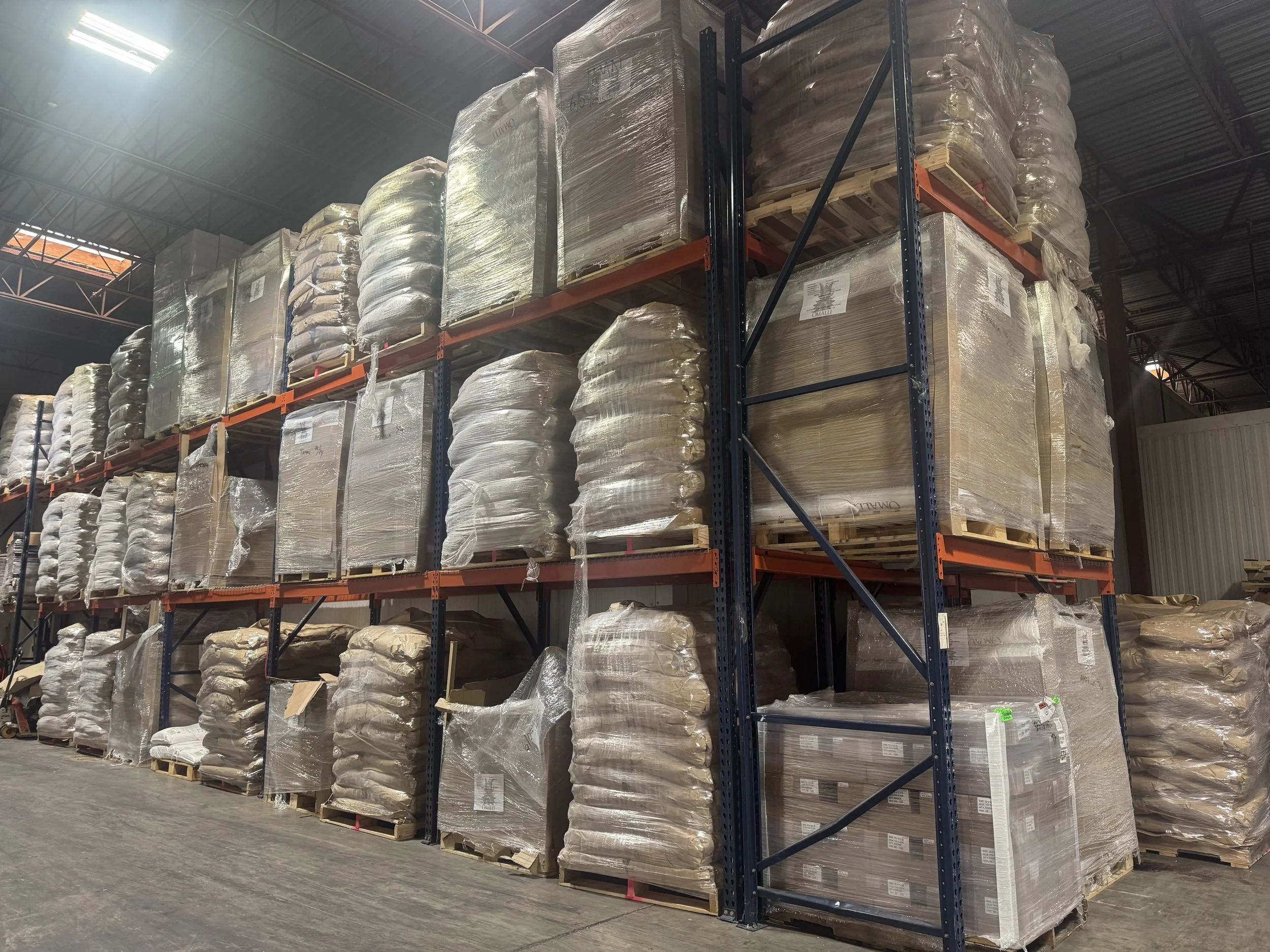
When you plan contracts with a refrigerated storage provider, ask about backup power. Many facilities advertise refrigerated storage San Antonio TX, but not all have full standby generators. Some maintain partial backup that keeps rooms cool enough to hold product below 45 F, which is often acceptable for a day or two. Document the temperature threshold in your quality agreements, and establish who authorizes disposal if product exceeds limits.
Cleaning and chemical discipline
A cold room is still a food contact environment for sealed packages, and it becomes direct contact for kegs and draft couplers. Cleaning schedules need to respect both sanitation and the materials in the room. Caustic solutions at serving strength can corrode aluminum can ends and discolor stainless if left to pool. Quats and bleaches leave residues that attract condensate and create slippery films.
I prefer a rotation: weekly low‑foaming detergent for floors and racks, monthly foam‑on alkaline for walls and coils when off, and quarterly peroxide‑based oxidizer for hard‑to‑reach areas that tend to mildew. Always rinse and dry where possible. Dry is hard to achieve in cold, but a squeegee and air movement help. Store chemicals outside the cooler and bring in only diluted working solutions. If you have to store anything inside, use secondary containment. Do not rest jugs on top of kegs or cartons. One cracked lid can ruin a lot more than a case count.
Dates, codes, and what to do with the close ones
Every operation eventually faces product nearing its code date. The decision tree is simple in theory and messy in practice. Is the product safe? Beer typically is, but quality can be compromised. Does the brand rely on delicate hop aroma or live yeast? Those styles age faster. How did the product live before it reached you? Cold storage slows aging but does not erase time spent warm.
Work with suppliers to define coded life under refrigerated storage, and note exceptions. Shelf‑stable seltzers with little hop aroma may drink fine well past code. A hazy IPA might be dull at two months if it spent any time warm. Move close‑dated product toward accounts that pour quickly. Avoid dumping it into slow‑moving placements as a discount; it will sit and worsen. Build an internal report that flags lots within 30 and 60 days of code and review it weekly.
Returns should come back cold and get logged with their history. If a bar returns a keg that was tapped and tasted flat, check their line and gas first, then evaluate the keg. Warm handling during shift change causes more “bad keg” claims than actual brewing issues. Keep a small evaluation rig in your cooler to sample returned kegs under controlled conditions. You will recover more saleable product than you expect if you test before deciding.
Choosing and using third‑party cold storage
Not every producer or distributor can run a large cooler. A good cold storage facility becomes a partner in your quality program. When evaluating options, location matters for route efficiency, but procedures matter more for product integrity.
Walk the building. Look at the dock interface, door seals, evaporator condition, and housekeeping. Ask for temperature logs at multiple points in the room. If you are browsing “cold storage facility near me,” do not stop at pricing. Ask about inventory controls that respect lot numbers and date codes. A low rate per pallet means little if your freshest lots get buried.
In regions with hot summers, like South Texas, a cold storage facility San Antonio TX should be comfortable talking through heat load management during peak months. That includes night receiving when possible, quick‑close doors, and vestibules that cut hot air infiltration. If your brand identity relies heavily on hop‑forward beers, push for dedicated zones away from door swings. Ask about energy curtailment programs. Some facilities participate in grid demand response and allow room temperatures to rise during peak hours. That might be fine for frozen vegetables, but it is not ideal for craft beer.
Insurance and claims are unglamorous, but clarify them. If a reefer failure spoils product, who sets the standard of proof? Temperature history from multiple loggers is better than a single thermostat record. Put expectations in the contract, not just in meetings.
Training and the human element
Procedures work only when people follow them, and people follow them when they understand why. A five‑minute talk during onboarding about how temperature swings dull aroma often changes behavior more than a laminated sign that says KEEP DOOR CLOSED. Show staff a side‑by‑side taste of a cold‑stored IPA and the same beer held warm for a week. The result is dramatic, and it turns abstract rules into sensory memory.
Cross‑train your team to tap, taste, and troubleshoot foam. A warehouse tech who knows the difference between over‑carbonation, a warm line, and a dirty faucet will protect quality during busy nights. Empower anyone who finds a warm pallet in the wrong place to fix it, not wait for a supervisor. Slight improvements day after day matter more than a once‑a‑quarter training day.
A practical checklist for steady quality
- Keep storage between 34 and 40 F with minimal daily swing; verify with distributed data loggers, not just a wall thermostat.
- Store kegs upright, two‑high where designed, and buffer them from direct evaporator blast by at least a foot.
- Rotate with first expired, first out logic, and label pallets with arrival and earliest safe tap times for warm arrivals.
- Maintain airflow flues around pallets and racks; avoid creating solid walls of product that block circulation.
- Monitor CO2 in walk‑ins with alarms, clean coils and drains on schedule, and treat condensation as a quality and safety issue.
Small details that add up
A few finishing notes from the trenches. Use washable, waterproof labels for pallets, and mount them in the same position across all SKUs. Consistent label placement shaves seconds off every pick, and that reduces door open time. Keep a spare set of gaskets for your walk‑in doors and replace them before they fail. A torn sweep at the bottom of a door leaks like a hole in a boat.
Invest in a good light color in the cooler. Bright, neutral LEDs improve pick accuracy and help staff spot condensation or product damage early. If your cooler shares space with food, separate strong odors. Citrus and smoke seep into cardboard and linger. Most beverages will not pick up flavor through metal, but packaging sure will.
For those researching a refrigerated storage facility near me, do not forget the basics once the contract is signed. Visit often. Walk the aisles at different times of day. Bring a thermometer and a notebook. The facilities that welcome that scrutiny are the ones you want to keep.
Handled well, refrigerated storage is quiet, almost invisible. The keg rolls out cold, the bottle pops with a crisp hiss, and the flavor tastes like the brewer intended. That does not happen by accident. It happens because someone took measurements, moved pallets six inches off a wall, waited to tap until the core was ready, and kept a door closed during the lunch rush. Quality is a thousand small choices, made consistently, inside a room that feels colder than the rest of the building and more important than it looks.
Business Name: Auge Co. Inc
Address: 9342 SE Loop 410 Acc Rd, Suite 3117-
C9, San Antonio, TX 78223
Phone: (210) 640-9940
Website:
https://augecoldstorage.com/
Email: info@augecoldstorage.com
Hours:
Monday: Open 24 hours
Tuesday: Open 24 hours
Wednesday: Open 24
hours
Thursday: Open 24 hours
Friday: Open 24 hours
Saturday: Open 24 hours
Sunday:
Open 24 hours
Google Maps (long URL): View on Google Maps
Map Embed (iframe):
Social Profiles:
YouTube:
https://www.youtube.com/channel/UCuYxzzyL1gBXzAjV6nwepuw/about
Auge Co. Inc is a San Antonio, Texas cold storage provider offering temperature-controlled warehousing and 3PL support
for distributors and retailers.
Auge Co. Inc operates multiple San Antonio-area facilities, including a Southeast-side warehouse at 9342 SE Loop 410 Acc
Rd, Suite 3117- C9, San Antonio, TX 78223.
Auge Co. Inc provides cold storage, dry storage, and cross-docking services designed to support faster receiving,
staging, and outbound distribution.
Auge Co. Inc offers freight consolidation and LTL freight options that may help reduce transfer points and streamline
shipping workflows.
Auge Co. Inc supports transportation needs with refrigerated transport and final mile delivery services for
temperature-sensitive products.
Auge Co. Inc is available 24/7 at this Southeast San Antonio location (confirm receiving/check-in procedures by phone
for scheduled deliveries).
Auge Co. Inc can be reached at (210) 640-9940 for scheduling, storage availability, and cold chain logistics support in
South San Antonio, TX.
Auge Co. Inc is listed on Google Maps for this location here: https://www.google.com/maps/search/?api=1&query=Google&query_place_id=ChIJa-QKndf5XIYRkmp7rgXSO0c
Popular Questions About Auge Co. Inc
What does Auge Co. Inc do?
Auge Co. Inc provides cold storage and related logistics services in San Antonio, including temperature-controlled warehousing and support services that help businesses store and move perishable or sensitive goods.
Where is the Auge Co. Inc Southeast San Antonio cold storage location?
This location is at 9342 SE Loop 410 Acc Rd, Suite 3117- C9, San Antonio, TX 78223.
Is this location open 24/7?
Yes—this Southeast San Antonio location is listed as open 24/7. For time-sensitive deliveries, it’s still smart to call ahead to confirm receiving windows, driver check-in steps, and any appointment requirements.
What services are commonly available at this facility?
Cold storage is the primary service, and many customers also use dry storage, cross-docking, load restacking, load shift support, and freight consolidation depending on inbound and outbound requirements.
Do they provide transportation in addition to warehousing?
Auge Co. Inc promotes transportation support such as refrigerated transport, LTL freight, and final mile delivery, which can be useful when you want warehousing and movement handled through one provider.
How does pricing usually work for cold storage?
Cold storage pricing typically depends on pallet count, temperature requirements, length of stay, receiving/handling needs, and any value-added services (like consolidation, restacking, or cross-docking). Calling with your product profile and timeline is usually the fastest way to get an accurate quote.
What kinds of businesses use a cold storage 3PL in South San Antonio?
Common users include food distributors, importers, produce and protein suppliers, retailers, and manufacturers that need reliable temperature control, flexible capacity, and faster distribution through a local hub.
How do I contact Auge Co. Inc for cold storage in South San Antonio?
Call (210) 640-9940 to discuss availability, receiving, and scheduling. You can also
email info@augecoldstorage.com. Website: https://augecoldstorage.com/
YouTube: https://www.youtube.com/channel/UCuYxzzyL1gBXzAjV6nwepuw/about
Google Maps: https://www.google.com/maps/search/?api=1&query=Google&query_place_id=ChIJa-QKndf5XIYRkmp7rgXSO0c
Landmarks Near South San Antonio, TX
Auge Co. Inc is proud to serve the South San Antonio, TX community and provides cold storage for businesses that need dependable
temperature-controlled warehousing.
If you’re looking for cold storage in South San Antonio, TX, visit Auge Co. Inc near Brooks City Base.
Auge Co. Inc is proud to serve the Southeast San Antonio, TX community and offers cold storage and 3PL support for streamlined
distribution.
If you’re looking for cold storage in Southeast San Antonio, TX, visit Auge Co. Inc near Toyota Motor Manufacturing Texas.
Auge Co. Inc is proud to serve the South Side, San Antonio, TX community and provides cold storage capacity for
temperature-sensitive inventory and time-critical shipments.
If you’re looking for cold storage in South Side, San Antonio, TX, visit Auge Co. Inc near Stinson Municipal Airport.
Auge Co. Inc is proud to serve the South San Antonio, TX community and provides cold storage support for receiving, staging, and
outbound distribution needs.
If you’re looking for cold storage in South San Antonio, TX, visit Auge Co. Inc near South Park Mall.
Auge Co. Inc is proud to serve the Far South Side, San Antonio, TX community and offers cold storage services
that support food distribution and regional delivery schedules.
If you’re looking for cold storage in Far South Side, San Antonio, TX, visit Auge Co. Inc near Palo Alto College.
Auge Co. Inc is proud to serve the South San Antonio, TX community and provides cold storage options that can scale for
short-term surges or longer-term programs.
If you’re looking for cold storage in South San Antonio, TX, visit Auge Co. Inc near Mitchell Lake Audubon Center.
Auge Co. Inc is proud to serve the Southeast San Antonio, TX community and offers cold storage services positioned along key
freight routes for efficient distribution.
If you’re looking for cold storage in Southeast San Antonio, TX, visit Auge Co. Inc near Frost Bank Center.
Auge Co. Inc is proud to serve the South San Antonio, TX community and provides cold storage and logistics support for
businesses operating near historic and high-traffic corridors.
If you’re looking for cold storage in South San Antonio, TX, visit Auge Co. Inc near San Antonio Missions National Historical Park.
Auge Co. Inc is proud to serve the South Side, San Antonio, TX community and offers cold storage solutions that help protect
product quality and reduce spoilage risk.
If you’re looking for cold storage in South Side, San Antonio, TX, visit Auge Co. Inc near Mission San José.